
Many of you might have heard about athletes taking ice baths or using cold packs, but cold therapy goes far beyond these basic applications. Also known as cryotherapy, this therapeutic approach uses controlled exposure to cold temperatures to help your body heal and perform better. Whether you’re dealing with injuries, seeking enhanced recovery after workouts, or looking to boost your overall wellness, cold therapy offers scientifically proven benefits. From reducing inflammation and managing pain to improving sleep quality and mental clarity, this natural treatment method has gained popularity among athletes, fitness enthusiasts, and health-conscious individuals like you.
The Science of Cold Therapy
While your body encounters cold temperatures, it initiates a complex series of physiological responses designed for survival and adaptation. These responses trigger various mechanisms that can lead to therapeutic benefits, including reduced inflammation, enhanced recovery, and improved mental clarity. Understanding these biological processes helps you harness cold therapy’s full potential for your health and wellness goals.
Physiological Response to Cold
Cold exposure prompts your body to enter a protective mode, causing blood vessels near your skin to constrict in a process called vasoconstriction. This reaction redirects blood flow to your vital organs, helping maintain core temperature. When you later warm up, blood vessels dilate, creating a powerful flush of fresh, oxygen-rich blood throughout your body, potentially reducing inflammation and accelerating healing.
Cellular and Metabolic Effects
Metabolic changes occur as your body adapts to cold exposure, activating brown fat tissue that generates heat through thermogenesis. This process can increase your caloric burn and improve your body’s energy efficiency. Cold therapy also stimulates the production of norepinephrine, a hormone that can enhance focus and mood while supporting fat metabolism.
The cellular response to cold exposure extends beyond immediate effects, influencing your long-term health. Your cells initiate protective mechanisms that can strengthen your immune system, increase your stress resilience, and enhance mitochondrial function. Regular cold exposure may also trigger the production of anti-inflammatory proteins, potentially offering benefits for chronic conditions and overall wellness.
Types of Cold Therapy
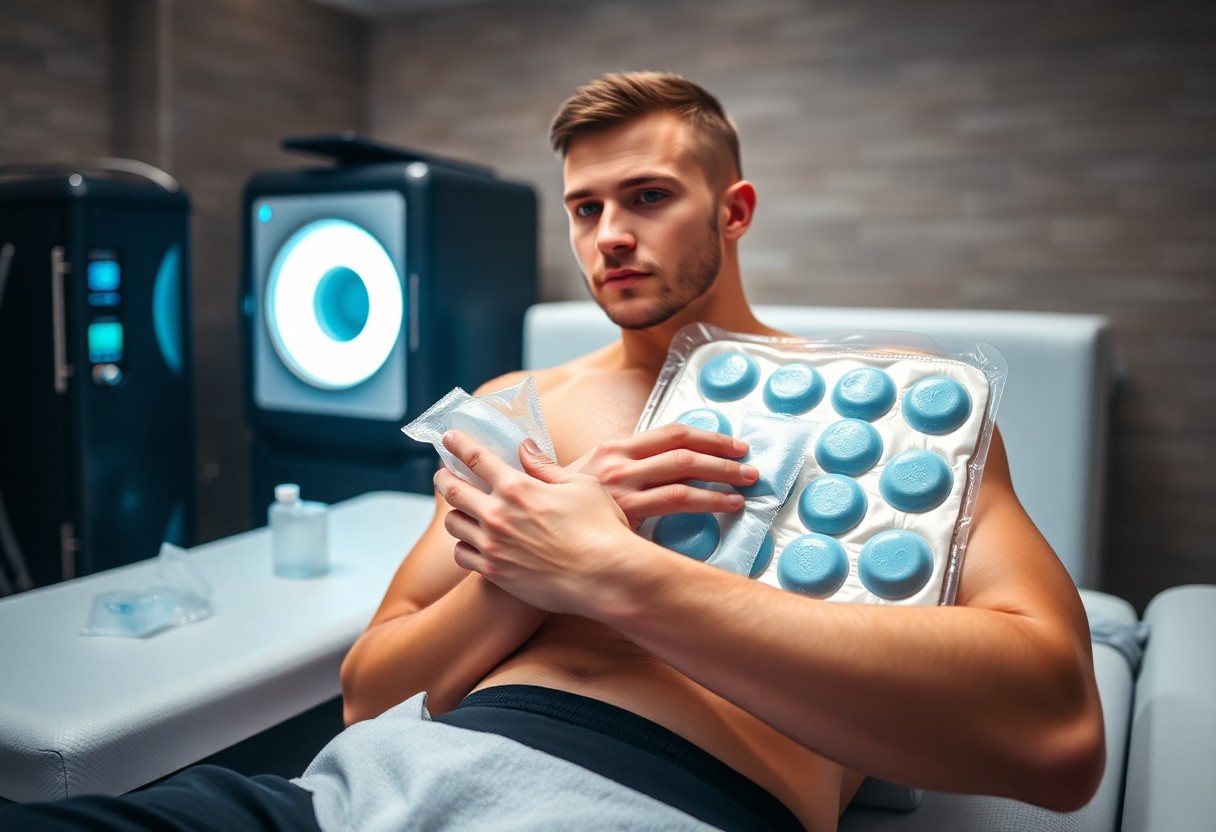
Some of the most effective cold therapy methods range from simple home remedies to professional treatments in specialized facilities. These techniques include ice packs, cold compresses, ice baths, and whole-body cryotherapy chambers. Any of these methods can be suitable depending on your specific needs and goals.
| Method | Best Used For |
|---|---|
| Ice Packs | Localized injuries and swelling |
| Cold Compresses | Headaches and facial treatments |
| Ice Baths | Athletic recovery and inflammation |
| Cryotherapy | Overall wellness and recovery |
| Cold Plunge | Mental clarity and immune boost |
Ice Baths and Cold Plunges
An ice bath session typically involves immersing your body in water between 50-59°F (10-15°C) for 10-15 minutes. This method is particularly popular among athletes and fitness enthusiasts for its ability to reduce muscle soreness and speed up recovery. You should always start with shorter durations and gradually increase your exposure time.
Cryotherapy Chambers
Before entering a cryotherapy chamber, you’ll need proper protective gear for your extremities. During the session, your body is exposed to extremely cold temperatures ranging from -200°F to -300°F (-129°C to -184°C) for 2-4 minutes.
Indeed, while cryotherapy chambers offer powerful therapeutic benefits, they require professional supervision and proper safety protocols. You’ll experience increased endorphin release, reduced inflammation, and improved metabolic rate. However, it’s not recommended if you have certain medical conditions like heart problems or uncontrolled high blood pressure.
Benefits of Cold Therapy
Even with its simplicity, cold therapy offers you a wide range of scientifically proven benefits for both your body and mind. From reducing inflammation and managing pain to boosting your mental clarity and emotional resilience, this natural treatment method can become an crucial part of your wellness routine.
Physical Recovery
Below zero temperatures can work wonders for your body’s healing process. Cold therapy reduces inflammation, speeds up muscle recovery, and helps manage chronic pain conditions. You’ll experience improved circulation as your blood vessels constrict and dilate, promoting faster healing and reducing swelling after intense physical activity.
Mental Health Advantages
Therapy through cold exposure can significantly impact your mental well-being. You’ll notice enhanced mood, reduced stress levels, and improved focus. The practice triggers the release of endorphins and norepinephrine, your body’s natural mood elevators, helping you maintain emotional balance.
Considering the profound impact on your mental state, cold therapy serves as a powerful tool for anxiety management and emotional regulation. You’ll develop greater resilience to stress, experience better sleep quality, and may find relief from symptoms of depression. The practice helps you build mental toughness while providing a natural way to boost your cognitive function.
Applications in Sports Medicine
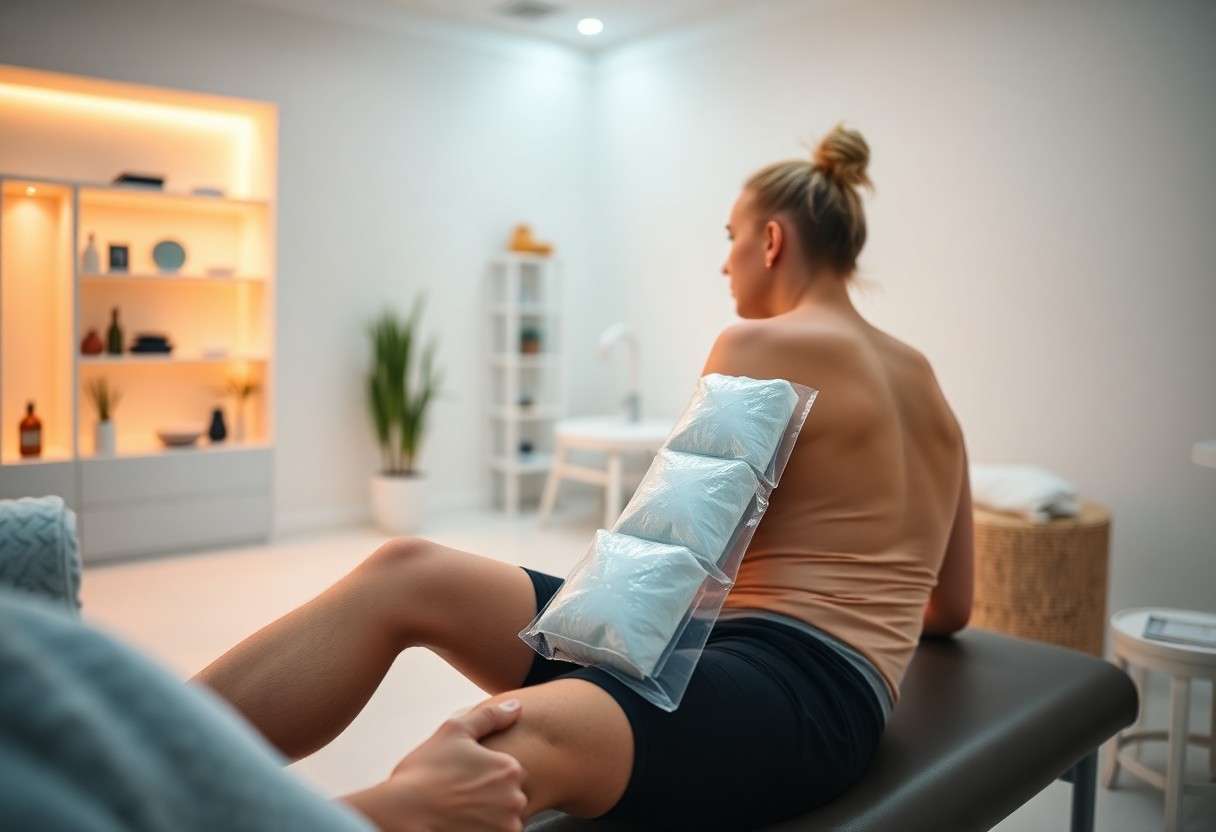
To optimize athletic performance and recovery, sports medicine extensively utilizes cold therapy techniques. Whether you’re a professional athlete or weekend warrior, cold therapy offers scientifically proven benefits for both performance enhancement and injury management. Your body’s response to controlled cold exposure can be leveraged to achieve better training outcomes and faster healing.
Athletic Performance
Above all, cold therapy can enhance your athletic capabilities by reducing muscle fatigue and improving recovery time between training sessions. You’ll notice improved endurance and reduced inflammation when incorporating cold exposure into your routine. Your muscles can benefit from reduced lactic acid buildup, allowing for more intense and frequent training sessions.
Injury Recovery
By applying cold therapy immediately after an injury, you can significantly reduce swelling and pain. Your body’s natural healing process becomes more efficient through controlled cold exposure, which helps minimize tissue damage and accelerate recovery time. This approach is particularly effective for managing acute sports injuries.
Further enhancing your recovery process, cold therapy can be combined with traditional rehabilitation methods. Your treatment plan might include alternating between cold therapy and gentle exercises to maintain mobility while healing. This combination approach reduces the risk of secondary injuries and helps you return to your sport more quickly and safely.
Daily Cold Therapy Practices
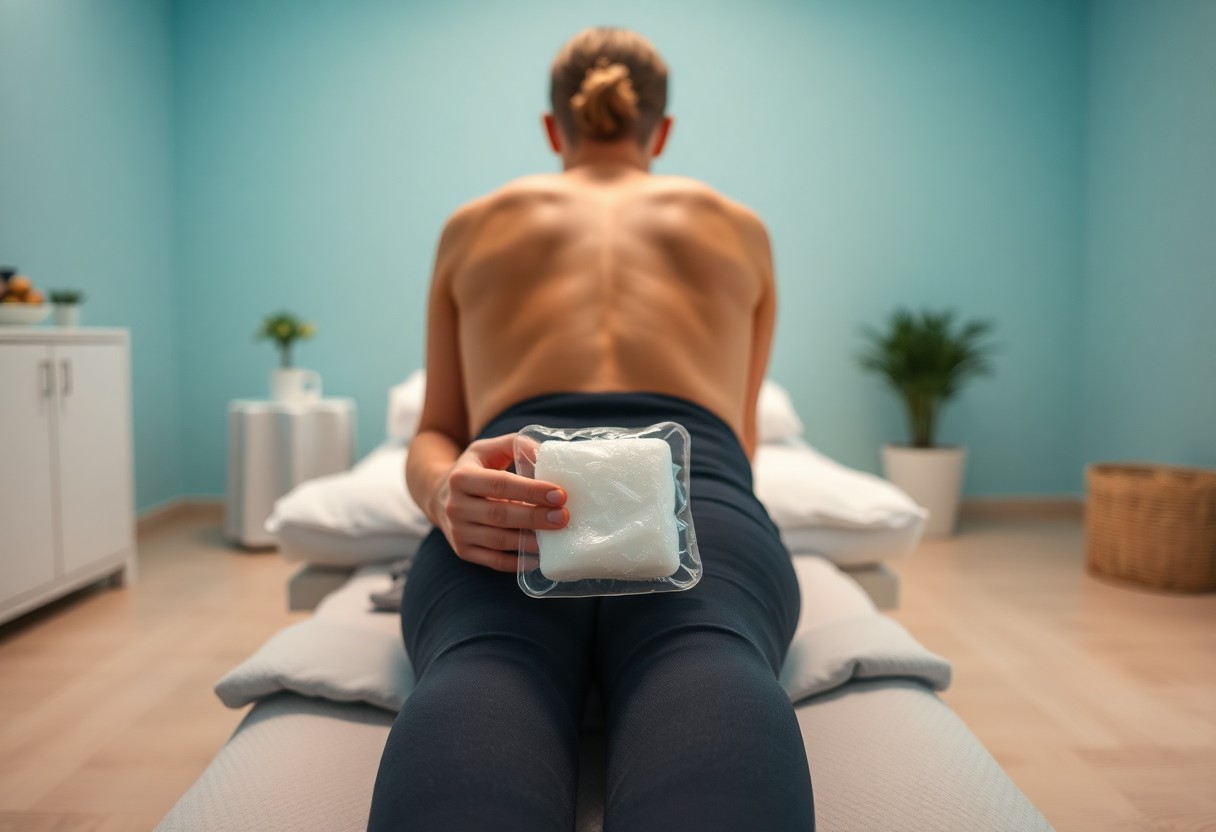
All cold therapy techniques can become part of your daily wellness routine, offering immediate and long-term benefits for your physical and mental health. From simple at-home methods to professional treatments, you can choose the approach that best suits your lifestyle and health goals.
Home Methods
An accessible way to start your cold therapy journey is through cold showers, ice baths, or cold compresses. You can begin with 30-second cold water exposure and gradually increase duration. These methods help boost your immune system, improve circulation, and enhance recovery after exercise, all from the comfort of your home.
Professional Treatments
Daily visits to specialized facilities offer controlled and monitored cold therapy sessions. You can experience whole-body cryotherapy in chambers reaching temperatures as low as -200°F (-129°C), providing intense therapeutic benefits under expert supervision.
In addition to standard cryotherapy sessions, professional facilities offer targeted treatments for specific conditions. You can choose from localized cold therapy, contrast therapy, or specialized recovery programs. These treatments are particularly effective for athletic performance, but require proper medical clearance and should be avoided if you have certain health conditions like heart problems or uncontrolled high blood pressure.
Safety and Precautions
Not everyone should explore cold therapy without understanding proper safety measures. While cold therapy offers numerous benefits, it’s important to follow guidelines to prevent adverse effects. You should monitor exposure time, maintain appropriate temperature levels, and protect your skin from direct contact with ice. Always start gradually and listen to your body’s signals. Assume that proper preparation and knowledge are your best tools for safe practice.
Risk Factors
To ensure your safety during cold therapy, be aware of these common risk factors:
- Prolonged exposure leading to tissue damage
- Cardiovascular reactions to sudden temperature changes
- Skin sensitivity and potential nerve damage
- Blood pressure fluctuations
Assume that your individual health condition requires personalized approach to cold therapy.
Contraindications
On the safety side, certain conditions make cold therapy unsuitable for you. If you have Raynaud’s syndrome, cardiovascular problems, diabetes, or circulation issues, you should avoid cold therapy. Your healthcare provider should approve this treatment before you begin.
Even with minor health concerns, you need to exercise caution. Pregnancy, recent injuries, or open wounds require special attention. Your body’s response to cold can vary, and what works for others might not be suitable for you. Always prioritize your safety and consult with healthcare professionals if you have any underlying conditions.
Summing up
The practice of cold therapy offers you a powerful and versatile approach to managing pain, reducing inflammation, and enhancing your overall well-being. Whether you choose ice packs, cold baths, or cryotherapy chambers, you’ll find various methods to incorporate this natural healing technique into your wellness routine. By understanding the proper application and timing, you can safely harness the benefits of cold exposure to speed up your recovery, boost your immune system, and improve your mental clarity. As you explore cold therapy, you’ll discover its potential to transform both your physical and mental health.
FAQ
Q: What exactly is cold therapy and how does it work?
A: Cold therapy, also known as cryotherapy, is a treatment method that involves applying cold temperatures to specific areas of the body or exposing the entire body to cold conditions. It works by reducing blood flow to the treated area, which decreases inflammation, swelling, and pain. When cold is applied, it slows down nerve activity, which helps minimize pain signals and provides relief from discomfort. Common methods include ice packs, cold baths, cooling sprays, and whole-body cryotherapy chambers.
Q: What are the main benefits of using cold therapy?
A: Cold therapy offers multiple health benefits, including rapid pain relief for injuries and sore muscles, reduced inflammation in joints and tissues, decreased swelling after exercise or injury, and improved recovery time for athletes. It can help manage chronic conditions like arthritis, enhance sleep quality, boost mood through the release of endorphins, and even support weight management efforts. Regular cold therapy sessions may also strengthen the immune system and increase overall energy levels.
Q: When should I avoid using cold therapy?
A: Cold therapy should be avoided if you have certain medical conditions such as Raynaud’s syndrome, poor circulation, diabetes with nerve damage, or open wounds. It’s not recommended to apply cold therapy directly on stiff muscles or joints, as it may worsen the condition. People with cardiovascular problems should consult their healthcare provider before starting any form of cold therapy, especially whole-body treatments. If you experience numbness, severe pain, or skin discoloration during treatment, stop immediately and seek medical advice.

